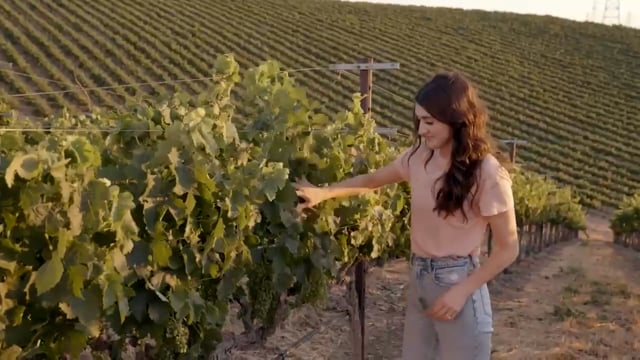
Sustainable Agriculture

Since 1883, five generations of the Wente family have planted, grown and harvested fruit from their Estate vineyards. More than a century of committed stewardship of the land led to the development of the Wente family’s Farming for the Future program. Created in the early 1990s with the health and well-being of its employees, the local community and the planet in mind, Farming for the Future is a system of practices that enhances the vitality of the soils, creates a balanced, sustainable ecology, minimizes water use and reduces non-organic wastes.

Today, it is the fourth and fifth generations who lead the way in protecting the legacy and ecological health of the family’s 3,000 acres of Estate vineyards. Farming for the Future extends throughout the organization, including three Estate wineries, The Course at Wente Vineyards, The Restaurant, The Concerts, and every other aspect of the operation.

imageIn 2010, as a testimony to what has been a long-held tenet of the country’s oldest continuously owned and operated family winery, Wente Family Estates received certification for its sustainability with respect to vineyard, winery and company practices with the Certified California Sustainable Winegrowing designation. CCSW certification includes a third-party verification of a winery’s adherence to a process of continuous improvement in its adoption of sustainable winegrowing practices.  It is the first statewide program available to both wineries and vineyards.  Wente Family Estates was one of the first wineries to achieve Certified California Sustainable Winegrowing.

Stewards

The Wente family leads a dedicated team committed to sustainability throughout the operations at Wente Vineyards

Fourth Generation
Carolyn Wente, Fourth Generation Winegrower
Eric Wente, Fourth Generation Winegrower
Phil Wente, Fourth Generation Winegrower

Fifth Generation
Christine Wente, Fifth Generation Winegrower
Karl Wente, Fifth Generation Winemaker

Sustainable Winegrowing

The application, in principle and practice, of sustainable agriculture in the vineyard and sustainable practices in the overall community. Over the long term, it:

• Enhances environmental quality and the resource base on which agriculture depends
• Makes the most efficient use of nonrenewable resources and on-farm resources. It integrates, when appropriate, natural biological cycles and controls
• Is economically viable while using recognized best practices
• Enhances the quality of life for farmers, workers, and society as a whole

To see our Sustainability Values Statement, click here.

Leadership

During separate tenures as President of the California Wine Institute, Fourth Generation Winegrowers Phil and Eric Wente helped oversee the development of the non-profit trade organization’s Code of Sustainable Winegrowing Practices, which “promotes farming and winemaking practices that are sensitive to the environment and responsive to the needs and interests of society in general.” Carolyn Wente currently serves on the Wine Institute’s Sustainable Practices Certification Committee, helping steer the transition from the current self-assessment program to a formal certification program in partnership with the California Association of Winegrape Growers.

WINEGROWING/ESTATE MANAGEMENT

Living Soils

Each year, cover crops and pomace compost are incorporated into vineyard management in the late fall and early spring to increase the level of organic matter in the soil and improve the soil’s tilth and water holding capacity. For more than 10 years, recycled, organic hydrolyzed fertilizer has been distributed through a drip irrigation system, eliminating the need for application by tractor. This results in less soil compaction and diesel combustion. The organic matter contains many strains of microbes, both bacterial and fungal, creating soils that are self-nourishing.

Reducing Water Usage

Wente Family Estates predominantly uses drip irrigation to deliver the optimal amount of water to the vines at the most advantageous time. By using temperature and humidity data provided by on-site weather stations, and using UC Davis-developed mildew pressure models, the team knows when and where to spray, if at all, and chooses materials that are environmentally sound.

Using Natural Oils

Wente Family Estates was one of the earliest growers to work with stylet oil, a combination of natural oils that smothers powdery mildew. Under Karl’s leadership, Wente Family Estates has also experimented with other combinations of essential oils, predominantly clove, black pepper, and cinnamon to control pests.

Pest Management

Wente Family Estates encourages the growth of native grasses and beneficial broadleaf species. By maintaining an ecological balance in the vineyards, pests are naturally controlled. In 2000, Wente Vineyards was awarded the Integrated Pest Management Innovators Award by the California Environmental Protection Agency.

Fuel

Sustainable practices include converting kitchen waste to biodiesel fuel by recycling oils from The Grill, The Restaurant and the Catering kitchen, as well as other local restaurant kitchens in the community. Wente Family Estates is currently exploring the conversion of its vineyard fleet to B20 (20% Biodiesel).

WINEMAKING

Estate Wines

The fusion of old and new winemaking practices is a Wente family legacy. Today, the Wente family remains focused on its enduring winemaking philosophy of creating vintages that reflect vineyard origins and the unique qualities of each varietal.

Small Lot Wines

Individual vineyard blocks are sustainably farmed, handpicked, sorted and brought to the Small Lot winery that Karl helped create within the family’s Estate winery facility. In this micro winery, the work is done by hand, minimizing the use of equipment and energy consumption. .

ESTATE OPERATIONS

Community Involvement

At Wente Family Estates, sustainability also means community involvement. Fourth Generation Winegrowers Eric, Phil, and Carolyn Wente have served on the Board of Directors at the Wine Institute as well as for other various community organizations, including the Livermore Valley Winegrowers Association, the Monterey Wine Country Association Board, and the ValleyCare hospital board and foundation, raising monies to support healthcare in the community.

The Course

The Course earned Audubon International Certification in January, 2010. Also, the management at The Course is focused on several small habitat restoration projects and replanting of perennial native and drought tolerant plants in the gardens around the golf course. All organic matter is either composted on site or given over to the estate for their composting program, resulting in depreciated waste..

The Restaurant

The Restaurant at Wente Vineyards uses locally sourced, organically farmed and sustainably raised produce, fish, game and meat to supply both its restaurant and catering kitchens. A full-time gardener tends the Restaurant’s extensive organic vegetable and herb gardens. The staff also utilizes a composting system to reduce waste and strengthen the soil. Water is conserved in energy-efficient dishwashers.

The dining room’s hardwood floors are made from sustainably harvested timber, and The Restaurant is outfitted with hand-crafted furniture made from recycled materials, including a communal table built from redwood recycled from 100 year old winery tanks by Karl Wente and Master Craftsman Robert Giddens.

The Concerts

The Concerts at Wente Vineyards serves sustainably-sourced cuisine prepared onsite by The Restaurant and Catering with Wente Vineyards.

Organic Olive Grove

The Wente family Estate is home to a grove of century old olive trees from which Wente Vineyards produces organic certified estate-grown, Oro Fino extra virgin olive oil. Oro Fino has received the coveted seal of approval from the California Olive Oil Council. The nurturing of these ancient trees and an extensive olive tree-planting program are a testament to the Wente family’s tradition of commitment to sustainable agriculture.

Wente Land and Cattle

The Wente family manages 1,600 acres of sustainable open range land not planted to vineyard, with 100 head of cattle providing grass management and soil fertilization.

Led by Eric Wente, the Estate has undertaken a major oak lands restoration. Native acorns gathered on the estate are planted to grow seedlings, which are protected from grazing animals until established

Cork Recycling
As part of Wente Family Estates’ commitment to sustainable practices, all four tasting rooms are designated drop-off spots for Cork ReHarvest, a program focused on collecting and recycling used and surplus corks from wineries. For more information on Cork ReHarvest visit http://www.corkforest.org/cork_reharvest.php
Drop off locations:
Wente Vineyards Estate Tasting Room
5565 Tesla Road, Livermore, CA 94550
Wente Vineyards Vineyard Tasting Room
5050 Arroyo Road, Livermore, CA 94550
Murrieta’s Well Winery & Tasting Room
3005 Mines Road, Livermore, CA 94550
Tamás Estates Tasting Room
5489 Tesla Road, Livermore, CA 94550